
 Türkçe

Pigmentation treatment is a medical application aimed at eliminating color irregularities on the skin caused by melanin accumulation. Spots that occur due to sun exposure, hormonal changes, aging, or post-acne marks can be treated with appropriate methods to balance the skin tone and restore its vitality.
Methods such as chemical peeling, laser therapy, and mesotherapy are frequently used in pigmentation treatment. These applications accelerate the skin’s renewal process by removing dead cells from the upper layer of the skin. After treatment, a brighter, fresher, and more homogeneous appearance is achieved; regular care supports its permanence.
Topical agents used in pigmentation treatment suppress pigment formation, especially with active ingredients such as hydroquinone, vitamin C, and retinoic acid. When applied under dermatological supervision, these products provide effective results for both superficial and deep spots. The treatment plan is individualized according to the skin type and the intensity of the pigmentation.
Post-treatment skincare plays a decisive role in the success of pigmentation treatment. The use of sunscreen, moisturizing, and regular dermatological follow-up prevent the formation of new spots. For long-term skin health, it is recommended that the treatment process continues under professional guidance.
| What You Need to Know | Information |
| Definition | Pigmentation treatment is the combination of medical and cosmetic methods applied to reduce or eliminate pigment disorders such as sunspots, melasma, acne marks, and age spots on the skin. |
| Causes of Pigmentation | Prolonged sun exposure, hormonal changes, aging, post-acne marks, genetic predisposition, and incorrect product use are the main causes of skin pigmentation. |
| Types of Pigmentation | Melasma (hormonal spots), sunspots (lentigo), post-acne hyperpigmentation, freckles, age-related pigmentation, and skin discoloration caused by trauma. |
| Applied Methods / Treatment Options | Methods such as laser treatments (pigment-breaking), chemical peeling, mesotherapy, microneedling (dermaroller), PRP applications, topical spot-lightening creams, vitamin C and retinol-based serums can be used. |
| After Treatment / Things to Consider | After the procedure, the skin becomes sensitive to the sun; high-factor sunscreen should be used and direct sun exposure should be avoided. Peelings and harsh products that may irritate the skin barrier should be avoided, and moisturizing care should be supported. |
| Recommended Approach | Pigmentation treatments should be personalized according to the type of spot, its depth, the person’s skin type, and the season. Combined treatments (for example laser + topical products) generally provide more effective results. Patience and regular follow-up are required. |

Specialist Dr. Seval Karasatı
Dr. Seval Karasatı is a dermatology (skin diseases) specialist in Ankara specializing in skin health, hair and nail diseases, aesthetic dermatology, and laser applications. With her scientifically based approach and aesthetic perspective, she offers personalized treatment plans for each of her patients.
In the field of dermatology, Dr. Seval Karasatı specializes not only in common skin problems such as acne, rosacea, eczema, allergic skin diseases, and hair loss, but also in mole monitoring and the early diagnosis of skin cancers. She provides effective solutions to her patients with modern devices and up-to-date treatment methods.
Serving as a dermatology specialist in Ankara, Dr. Seval Karasatı is also experienced in aesthetic dermatology procedures. She applies holistic treatments aimed at skin renewal and rejuvenation with procedures such as fillers, PRP, mesotherapy, gold needle, and laser treatments.
Dr. Seval Karasatı conducts a comprehensive evaluation for each patient and shapes the treatment process according to personal needs. Her goal is not only to treat diseases but also to help achieve a healthy, vibrant, and aesthetically balanced skin appearance.
Create an Appointment
What Are Skin Spots?
Skin spots are aesthetic problems that usually appear as discoloration on the skin surface due to an increase in melanin pigment. Sun rays, hormonal fluctuations, aging, acne scars, and some skin diseases are among the most common causes. The treatment plan is determined according to the type of spot and the appearance can be reduced with methods such as laser, chemical peeling, and mesotherapy.
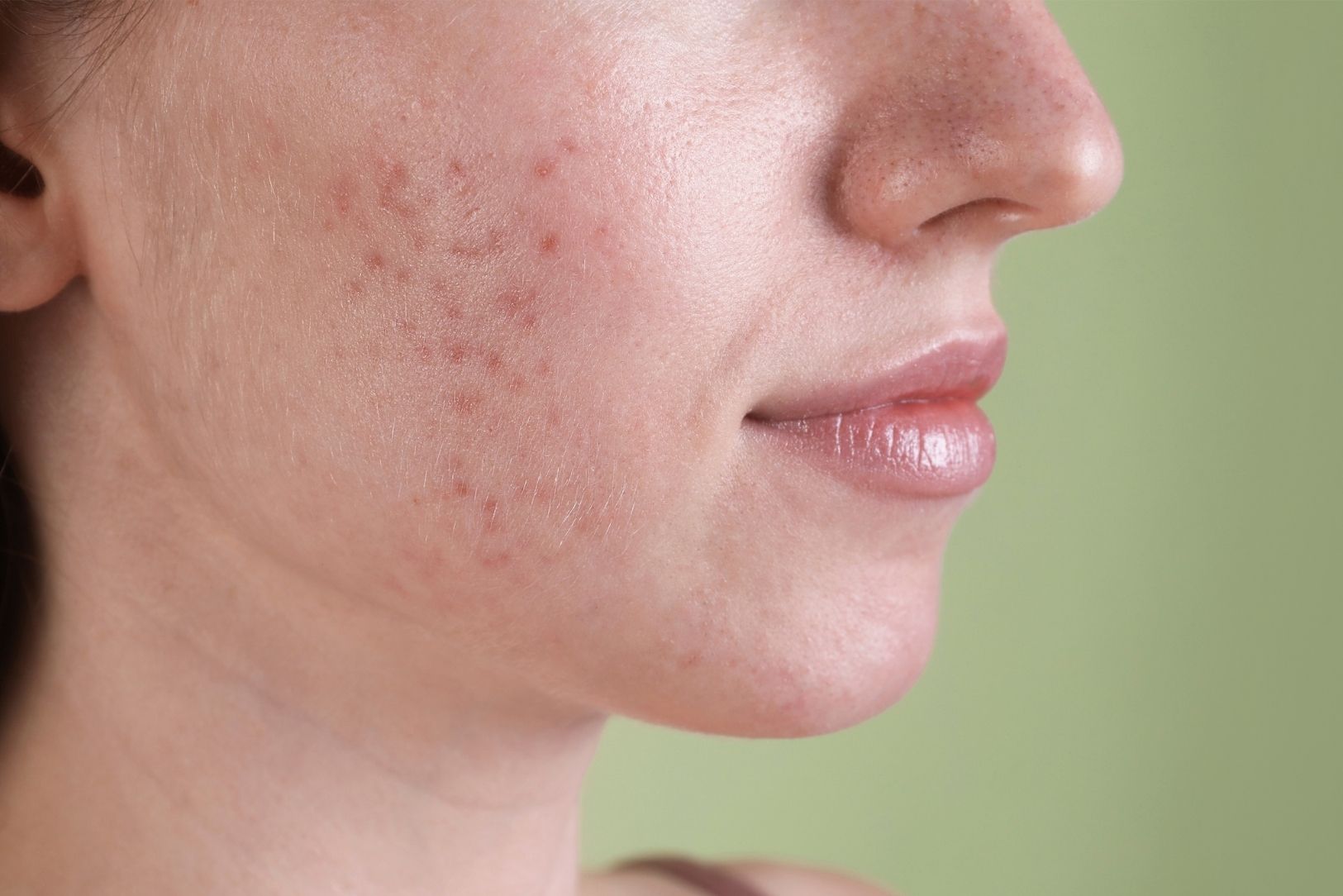
Why and How Do Skin Spots Form?
Skin spots actually occur as a result of excessive production or irregular accumulation of melanin pigment, which is the natural “coloring” substance of our skin, in a certain area. You can think of this as a defense mechanism of the skin. When the skin is stimulated by the sun, hormonal fluctuations, or an injury (such as acne), the skin sends pigment to that area to protect itself. However, this production can sometimes get out of control and turn into those stubborn spots that appear darker than the surrounding skin. Depending on how deep this accumulation is and the person’s skin tone, spots can appear in tones ranging from light brown to black.
What Is Pigmentation Treatment?
Pigmentation treatment consists of medical and cosmetic applications aimed at eliminating hyperpigmentation that occurs on the skin due to sun exposure, hormonal changes, aging, or post-acne marks. The goal is to achieve a brighter and healthier appearance by balancing the skin tone. A personalized treatment plan is created with various methods such as laser, chemical peeling, mesotherapy, and topical products.
Why Do Darker Skin Tones Require a Different Approach in Pigmentation Treatment?
Individuals with darker skin tones (medically classified as Fitzpatrick Skin Type III to VI) are more prone to pigmentation, especially post-inflammatory hyperpigmentation (PIH).
There is a simple biological reason for this. The pigment-producing cells (melanocytes) in these skin types are genetically more “reactive” or “hardworking.” Even the smallest acne lesion or irritation triggers a faster and more intense melanin (pigment) response than normal. This situation causes the spot to form more easily and also become darker and more persistent. That is why pigmentation treatment in darker skin requires special protocols that are much more careful, non-irritating to the skin, and that do not provoke pigment cells.
What Are the Most Common Types of Pigmentation?
Different types of pigmentation require different treatment approaches. Correct diagnosis of the spot is therefore very important when creating a treatment plan. The main acquired pigment disorders are:
- Melasma
- Post-Inflammatory Hyperpigmentation (PIH)
- Solar Lentigines (Sunspots)
Melasma usually appears as symmetrical brown or gray-brown patches on the face, cheeks, forehead, and above the lips. Although it is generally known as the “pregnancy mask,” it can also occur in men. The main triggers are sun exposure, hormonal changes (pregnancy, birth control pills), and genetic predisposition. It is known for being a chronic and recurrent condition.
Post-Inflammatory Hyperpigmentation (PIH) is the skin’s response to inflammation or injury. In fact, it is a spot that remains as the “memory” of the battle experienced in that area. It may develop after acne, eczema, dermatological procedures (such as incorrectly applied laser or peeling), or a simple trauma. Depending on the severity of the inflammation, PIH may persist for months or even years and its treatment is long-term.
Solar Lentigines (Sunspots) are well-defined brown spots that appear as a result of accumulated sun damage over the years. They are commonly known as “age spots,” but they are actually related to sun exposure rather than age. They are among the most visible signs of sun damage (photoaging).
The Cornerstone of Pigmentation Treatment: Why Is Sun Protection So Important?
The answer to this question is very clear: the absolute fundamental step in pigmentation treatment is continuous and effective sun protection (photoprotection) throughout the entire treatment process.
Without sun protection, even the most advanced and expensive treatments fail. The spot either does not lighten at all or recurs (returns) shortly after treatment. The sun is the main switch of the pigment factory (melanocytes). Without turning off that switch, you cannot stop the production inside. The success of the treatment directly depends on this and it is not open to negotiation.
Which Sunscreens Should Be Used for Pigmentation Treatment?
The sunscreen used in pigmentation treatment must have certain features.
- Broad Spectrum (UVA/UVB): It should protect not only against UVB, which burns the skin, but also against UVA, which ages the skin and triggers pigmentation.
- High Factor (SPF 30+): The minimum should be SPF 30, ideally SPF 50 or higher.
- Amount and Reapplication: Sunscreen should be applied in sufficient quantity (generally the “two-finger” rule for the face and neck) and must be reapplied every 2 hours as long as exposure to the sun continues.
Do Tinted Sunscreens Really Make a Difference in Pigmentation Treatment?
Yes, and they make a very significant difference. This is a critical detail especially for melasma and darker skin types.
Normal sunscreens block UV rays very well. However, in recent years we have learned that UV rays are not the only factor that triggers pigment production. Visible light (especially blue light that we are familiar with from computer and phone screens) also significantly triggers the melanogenesis process, meaning pigment production.
The “color” in tinted (pigmented) sunscreens is generally provided by iron oxides. Iron oxides act as a physical shield against visible light and block it. For this reason, in pigmentation treatment, especially in stubborn melasma cases, tinted sunscreens containing iron oxide provide much superior protection compared to normal (untinted) sunscreens.
Do Oral Supplements Help in Sun Protection?
Oral photoprotectants are important supportive treatments that have entered our practice in recent years. Oral agents such as Polypodium Leucotomos Extract (PLE) provide antioxidant defense by protecting the skin from within and offer uniform protection across the entire body surface.
An important note: These supplements never replace sunscreen. However, by providing internal support in addition to the external protection provided by sunscreen, they help increase the success rate of treatment, especially in difficult conditions such as melasma.
What Is the ‘Gold Standard’ Cream for Pigmentation Treatment?
The topical “gold standard” in pigmentation treatment is the agent called Hydroquinone (HQ). Hydroquinone works by directly affecting pigment-producing cells (melanocytes) and inhibiting (stopping) “tyrosinase,” a key enzyme responsible for pigment production. Simply put, it turns off the main switch of the pigment factory. It is a powerful and fast-acting spot-lightening agent and forms the foundation of treatment.
Contact Us for Anything You Wonder About Skin Health!
What Is Triple Combination (TCC) Treatment and Why Is It So Effective?
Although Hydroquinone can be used alone, the highest effectiveness is generally achieved with prescription formulations known as Triple Combination Cream (TCC) or the “Kligman Formula.” As the name suggests, these creams combine three main components that work as a team.
- Hydroquinone: Spot lightener (stops pigment production).
- Tretinoin (A Retinoid): Accelerates cell renewal. This allows pigmented upper cells to shed more quickly and also helps hydroquinone penetrate deeper.
- A mild Corticosteroid: Reduces irritation (redness, peeling) that hydroquinone and tretinoin may cause and provides an anti-inflammatory effect.
The combined action of these three provides a faster and stronger effect in the treatment of melasma than many other topical treatments.
Why Is Doctor Supervision Necessary When Using Hydroquinone (HQ)?
Despite its high effectiveness, Hydroquinone is an agent that must absolutely be used under medical supervision and within certain protocols. Long-term, uninterrupted, and uncontrolled use carries serious risks.
The most important of these risks are:
- Rebound Hyperpigmentation: This is the most common problem. When HQ is used continuously for more than 4-5 months, the risk of paradoxical darkening of the skin (spots becoming darker than before) increases.
- Exogenous Ochronosis: This is a rare but potentially permanent and very serious side effect. It appears as a blue-black or gray-blue discoloration of the skin. It is generally associated with long-term use of high concentrations over many years without supervision.
To avoid these risks, HQ should be used with a “cyclical” protocol. That is, HQ is used during an “attack” phase (usually 2-3 months, maximum 4-5 months) to clear the pigment. Afterwards, the skin is given a “drug holiday” and treatment continues with agents that do not contain HQ (non-HQ agents). This cycle can be safely repeated under medical supervision.
Which Spot-Lightening Agents Are Used Besides Hydroquinone?
Although Hydroquinone (HQ) is the “gold standard,” it is not the only option. Especially during the “maintenance” periods when HQ is paused or in milder cases, other agents are also used. These usually take place as “supportive” treatments in combination therapies.
Some of these agents are:
- Topical Retinoids (Tretinoin, Adapalene, Tazarotene)
- Azelaic Acid (AzA)
- Kojic Acid
- Ascorbic Acid (Vitamin C)
- Niacinamide (Vitamin B3)
Topical retinoids accelerate cell turnover, allowing pigment to be eliminated faster. Azelaic acid (15–20%) is particularly effective in post-acne hyperpigmentation (PIH). Agents such as Vitamin C, Kojic Acid, and Niacinamide slightly suppress pigment production and also support treatment with their antioxidant and anti-inflammatory effects.
What Advanced Treatments Are Available for Resistant Spots?
Sometimes standard topical treatments (creams) may be insufficient in cases such as resistant melasma. At this point, more advanced pharmacological interventions, especially Tranexamic Acid (TXA), come into play.
TXA is actually a medication used to stop bleeding. However, in recent years it has been discovered that it blocks signaling pathways that push the skin toward pigment production and inflammation. It is particularly effective in calming the vascular component (redness) underlying melasma.
How Is Tranexamic Acid (TXA) Used in Pigmentation Treatment?
TXA can be used in three different ways in pigmentation treatment.
- Oral (as a tablet)
- Intradermal (by injection into the skin or through mesotherapy)
- Topical (as a cream or serum)
Oral TXA is an important option especially for resistant (refractory) melasma cases. It can be added to treatment in patients who do not respond to combination creams for approximately 12 weeks. However, because it affects the clotting mechanism, patients must be carefully screened for thromboembolic (blood clotting) risk factors before starting treatment and it must be prescribed by a physician.
Intradermal TXA application is the method of injecting the drug directly into the skin layer where the spot is located. Studies show that this method can be more effective in reducing spot severity than some strong topical creams.
Contact Us for Anything You Wonder About Skin Health!
Is There a Safe Pigmentation Agent (Cysteamine) for Long-Term Spot Control?
Yes. Cysteamine Cream is a non-hydroquinone (HQ) agent that has become increasingly well-known in recent years. It stands out as a safer alternative for long-term pigment control without the potential risks of HQ.
Cysteamine reduces melanin synthesis as a strong antioxidant. Studies conducted on individuals with darker skin tones have shown that it is both an effective and safe treatment for melasma and provides significant improvement in pigmentation scores. Its effectiveness is comparable to hydroquinone-based regimens and TCC (Kligman formula).
This comparable effectiveness increases the value of Cysteamine especially in the long-term maintenance of chronic and recurrent melasma. It is generally very well tolerated and is used as an excellent transition agent during the “drug holiday” periods of HQ.
How Does Chemical Peeling Work in Pigmentation Treatment?
Chemical peels are auxiliary procedures used to increase the effectiveness of topical agents and accelerate pigment removal. By controlled exfoliation of the outermost layer of the skin, they accelerate the shedding of dead cells loaded with pigment.
Is Peeling Safe for Pigmentation Treatment in Dark Skin?
This is a subject that requires a very careful approach. Dark skin types (FST IV-VI), as mentioned earlier, have “hyper-reactive” pigment cells. An incorrect (too deep) peel can easily trigger these cells and result in post-inflammatory hyperpigmentation (PIH), meaning creating an even worse spot while trying to treat the existing one.
For this reason, deep peels are strictly avoided in dark skin types and only superficial peels (for example Glycolic acid, Salicylic acid, or Jessner solution) are preferred.
In addition, in these skin types, a step called “priming” (preparing the skin) is taken to ensure the safety of the peeling procedure. This means that the patient starts using agents such as HQ and retinoids 2-4 weeks before the peeling procedure. This preliminary treatment “calms” the pigment cells and prevents them from overreacting to the inflammation caused by the peeling and forming PIH.
How Are Laser and Light Systems Used in Pigmentation Treatment?
Laser and light therapies are advanced options usually reserved for the most resistant cases that do not respond to creams or peeling treatments.
Laser treatment is generally not recommended as a long-term maintenance method especially for melasma because it may carry the risk of rebound pigmentation or even hypopigmentation (white spots). Therefore, they must be used in the right case, with the right device, and with the correct energy settings.
Which Lasers Are Preferred for Different Types of Pigmentation?
The laser technology used varies depending on the type of spot.
- Sunspots (Solar Lentigines)
- Melasma and PIH (Especially Dark Skin)
Sunspots, unlike melasma, usually respond very well to laser treatment. Q-switched lasers or Intense Pulsed Light (IPL) treatments target these superficial spots and provide successful results.
The treatment of melasma and PIH is much more complex. To ensure safety in darker skin tones, low energy and low-density settings must be used. Two technologies stand out in this field.
Low-Fluence Q-Switched Nd:YAG (1064 nm) Lasers: In this method also known as “Laser Toning,” low energy is used. This wavelength (1064 nm) attaches less to melanin and penetrates deeper, making it a safer option in darker skin.
Picosecond Lasers: These are newer and groundbreaking technologies. They deliver energy in an incredibly short period of time (a trillionth of a second). Instead of heating the pigment, they destroy it by “fragmenting” it (photomechanical effect). Less heat means less inflammation; this offers a much lower PIH risk compared to older Q-switched lasers.
What Role Does Microneedling (Dermapen) Play in Pigmentation Treatment?
This is one of the most modern and intelligent approaches in pigmentation treatment. In this strategy, microneedling (performed with devices such as dermapen) is used not to peel or renew the skin but as a “delivery system” to transport powerful medications beyond the skin barrier to the targeted depth.
Why Is the Combination of Microneedling and Tranexamic Acid (TXA) So Effective?
The main role of our skin is to act as a barrier. This prevents beneficial water-soluble agents such as TXA from penetrating deeply enough when applied as a cream.
Microneedling opens thousands of controlled microchannels in the skin. When a topical TXA solution is applied immediately afterward, this agent penetrates directly into the dermis, where pigment production occurs.
Studies have shown that this combination (Microneedling + TXA) provides more than a 65% improvement in pigmentation scores after 8 weeks; this rate is around 20% in the control group (those who only use cream). This technique can even be superior to traditional regimens in the management of resistant melasma.
What Does ‘Stepwise Management’ Mean in Pigmentation Treatment?
Optimal pigmentation management is not based on a single cream or a single laser. It is a continuous, multimodal (combining multiple methods) and dynamic approach that changes strategically according to the patient’s response. The stubborn and recurrent nature of melasma requires staging the treatment within a “game plan.”
This stepwise “game plan” is generally as follows.
- Stage 1: Basic Treatment (Induction)
- Stage 2: Auxiliary Treatments
- Stage 3: Resistant Cases
In Stage 1, strict sun protection (including tinted sunscreens) and Hydroquinone-based Triple Combination Cream (TCC) are started. This is the gold standard for quickly clearing pigment.
In Stage 2, if the response is insufficient after 12 weeks or if stagnation occurs, auxiliary treatments are added. If there is no contraindication, Oral TXA may be considered. Alternatively, superficial chemical peels or intradermal TXA injections may be added.
Stage 3 is reserved only for severe and resistant cases that do not respond to combination treatment. At this stage, energy-based devices such as low-fluence Q-switched Nd:YAG or Picosecond lasers are introduced. Supportive drug delivery techniques such as microneedling with TXA are highly effective at this stage.
Why Is ‘Maintenance Treatment’ Important to Prevent Recurrence?
This is the most important part of managing chronic conditions such as melasma. Clearing the spot is the “attack” phase; preventing its return is the “defense” (maintenance) phase and may last a lifetime.
The goal in maintenance treatment is to preserve the gains achieved after the difficult attack treatment. This means pausing strong agents such as HQ and transitioning to agents that can safely suppress pigment production in the long term.
Which Pigmentation Agents Are Safe in Maintenance Treatment?
The goal in maintenance treatment is to continue suppressing pigment production without the long-term risks of HQ. The preferred agents at this stage are:
- Cysteamine Cream
- Azelaic Acid (15–20%)
- Topical Retinoids
- Vitamin C
- Niacinamide
Hydroquinone (HQ) is an indispensable tool for the “attack” phase; however, agents such as Cysteamine and Azelaic Acid form the “defense” line of treatment. This transition both maintains pigmentation control and protects the long-term health of the skin.
As seen, pigmentation management requires a series of strategic decisions focused on risk reduction and long-term maintenance. The treatment must target not only the existing spot but also the underlying inflammation. Strong agents such as Hydroquinone should be used as an “attack” tool, followed by a transition to agents such as Cysteamine for long-term safety. Procedures such as microneedling are generally used as “drug delivery systems,” while lasers should only be reserved for resistant cases in expert hands and with low-energy protocols.
Frequently Asked Questions
In which types of skin spots do pigmentation treatments provide more effective results?
Pigmentation treatments provide effective results especially for sunspots, acne marks, melasma, and age spots. The treatment type is determined according to the depth of the spot, the skin type, and the cause of its formation.
Which methods are used in pigmentation treatments and how do they work?
In pigmentation treatments, creams, laser, mesotherapy, PRP, peels, and medical skincare methods are applied. These procedures accelerate skin renewal, reduce melanin density, and balance the skin tone.
Does peeling or sensitivity occur on the skin after pigmentation treatment?
Temporary redness, peeling, or sensitivity may occur on the skin after treatment. This is a natural part of the skin renewal process and usually disappears on its own within a few days.
Is it safe to undergo pigmentation treatment during the summer months?
During the summer months, pigmentation treatment can be performed especially with non-peeling lasers, mesotherapy, and creams, but the use of sunscreen is very important. Since sun exposure can lead to new pigmentation, treatment is generally preferred in autumn–winter months.
Does pigmentation treatment provide a permanent solution?
Pigmentation treatment can significantly reduce existing spots, but complete permanence depends on skin type and lifestyle. Regular care and sun protection support permanence.
Can pigmentation treatments be applied during pregnancy or breastfeeding?
Some pigmentation treatments are not suitable during pregnancy and breastfeeding. Instead of chemical applications, skincare procedures performed with doctor approval or treatments containing natural ingredients are preferred.
What should be considered after pigmentation treatment?
After treatment, the skin should not be exposed directly to the sun, high-protection sunscreen should be used, and the skin should be kept moisturized. In addition, care should be continued with products recommended by the doctor.
How effective is laser application in pigmentation treatments?
Laser treatment is quite effective in deep pigmentation. Light energy targets excess melanin cells in the skin and significantly reduces the appearance of spots.
How many sessions does pigmentation treatment take and how long does it take to see results?
The duration of treatment varies depending on the type of spot. It is generally applied in 4–8 sessions and the first results begin to be seen after 2–3 sessions. With regular sessions, permanence increases.
Is it possible to prevent new spot formation on the skin after pigmentation treatment?
Yes, regular use of sunscreen, avoiding smoking and alcohol consumption, healthy nutrition, and a proper skincare routine can largely prevent the formation of new spots.