
 Türkçe

Filler refers to substances injected under the skin for aesthetic and reconstructive purposes, providing volume and eliminating wrinkles. It is applied using biocompatible ingredients such as hyaluronic acid, calcium hydroxyapatite, and polylactic acid. The procedure is minimally invasive and is preferred because of its fast recovery process.
Facial filler applications are performed to reduce signs of aging and define facial features. The cheekbone, lips, and jawline are the most commonly treated areas. The filler is planned according to the person’s facial anatomy with the aim of achieving a natural appearance.
Under-eye light filler reduces the appearance of dark circles and hollowness by restoring subcutaneous volume loss. This application is performed with low-density hyaluronic acid contents and supports the skin’s moisture balance. The result is a more vigorous and brighter facial expression.
Post-filler care is important for the longevity of the procedure results. Excessive facial expressions should be avoided during the first 24 hours, the area should not be massaged, and it should be protected from the sun. Although the duration of effect varies depending on the substance used, it generally lasts between 6 and 18 months.
| What You Need to Know | Information |
| Definition | Filler applications are non-surgical aesthetic procedures performed by injecting volumizing substances under the skin in order to eliminate wrinkles, define facial features, and correct volume loss and asymmetries. |
| Fillers Used | The most commonly used substance is hyaluronic acid. This substance, which is naturally found in the body, provides volume, moisture, and elasticity to the skin. In addition, alternative substances such as calcium hydroxyapatite and polycaprolactone may also be preferred. |
| Application Areas / Purposes | It can be applied in many areas such as lip augmentation, nasolabial (between the nose and mouth) line filler, under-eye light filler, cheekbone enhancement, jawline contouring, and forehead and temple volumization. |
| Duration of Effect & Result | The effect of the procedure is observed immediately. Although its longevity varies depending on the substance used, it lasts on average between 6 and 18 months. With regular repeat applications, the duration of the effect can be prolonged. |
| Procedure & Recovery | A local anesthetic cream is applied before the procedure. The procedure generally takes 15–30 minutes. Afterwards, mild swelling, redness, or bruising may occur; these effects pass within a few days. The person can return to daily life on the same day. |
| Advantages | It is frequently preferred because it is a non-surgical method, can be applied in a short time, provides fast recovery, and can achieve natural-looking results. |

Specialist Dr. Seval Karasatı
Dr. Seval Karasatı is a dermatology (skin diseases) specialist in Ankara specializing in skin health, hair and nail diseases, aesthetic dermatology, and laser applications. With her scientifically based approach and aesthetic perspective, she offers personalized treatment plans for each of her patients.
In the field of dermatology, Dr. Seval Karasatı specializes not only in common skin problems such as acne, rosacea, eczema, allergic skin diseases, and hair loss, but also in mole monitoring and the early diagnosis of skin cancers. She provides effective solutions to her patients with modern devices and up-to-date treatment methods.
Serving as a dermatology specialist in Ankara, Dr. Seval Karasatı is also experienced in aesthetic dermatology procedures. She applies holistic treatments aimed at skin renewal and rejuvenation with procedures such as fillers, PRP, mesotherapy, gold needle, and laser treatments.
Dr. Seval Karasatı conducts a comprehensive evaluation for each patient and shapes the treatment process according to personal needs. Her goal is not only to treat diseases but also to help achieve a healthy, vibrant, and aesthetically balanced skin appearance.
Create an Appointment
What Is Filler?
Filler refers to substances injected under the skin in order to eliminate volume loss in the face, reduce wrinkles, and define facial features. The most commonly used filler substance is hyaluronic acid. It can be applied to areas such as the lips, cheeks, under the eyes, and the nasolabial region. Its effect generally lasts 6–18 months and the procedure is completed in a short time.
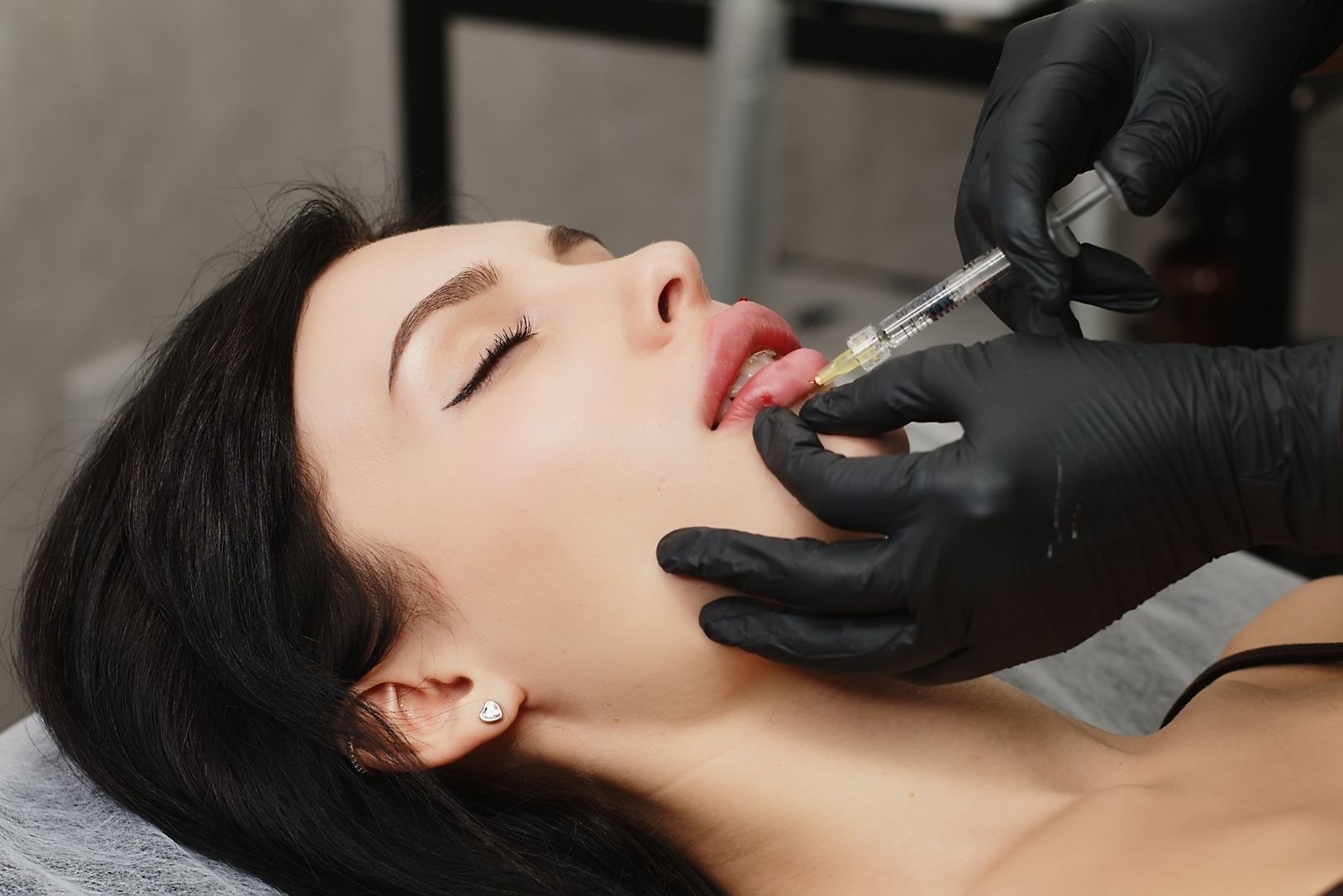
Why are filler applications so popular?
Dermal fillers, or “filler” applications as they are commonly known, have become one of the most frequently preferred methods of modern aesthetic medicine. They offer non-surgical, that is, non-operative solutions for rejuvenating the face, defining the contours, and restoring the volume lost over the years.
This is the main reason for the high popularity of these applications in recent years. They can offer significant aesthetic improvements that previously could only be achieved on the operating table, at a much lower cost and with almost no recovery time or with a very short recovery period.
Of course, for an effective and safe filler application, the physician performing the procedure must know the basic structure of filler substances, how they work, and how each product behaves under the skin very well. This basic knowledge is critically important both for achieving the best aesthetic result and for ensuring patient safety.
Filler applications provide solutions for many signs of aging and some structural deficiencies. The main areas of use are as follows:
- Restoring volume lost due to age or disease.
- Softening depressions and scars in the skin.
- Eliminating fine lines and deep wrinkles (for example, the lines extending from the side of the nose to the lip).
- Plumping and shaping the lips.
- Correcting asymmetries in the face.
- Reducing under-eye hollows and the shadowy appearance of dark circles.
- Rejuvenating the hands, neck, and décolleté areas.
- Defining the contours of the chin and jawline.
- Adding volume to the cheeks and cheekbones.
How many types of filler substances are there and how are these fillers classified?
There are several ways to classify filler substances, but the most common one is based on two main criteria: their duration of permanence and the content of the material they are made from.
The first is how long the fillers remain in the tissue. Those in this group are:
- Temporary fillers
- Semi-permanent fillers
- Permanent fillers
Today, temporary fillers are most commonly preferred for cosmetic purposes. They stand out due to their safe profiles, ease of application, and reliable results. In particular, the fact that they are ‘biodegradable,’ meaning they can be completely broken down and eliminated by the body over time, is a major advantage because it reduces long-term risks. Permanent fillers are almost never preferred in modern dermatology practice anymore due to irreversible results and the risk of long-term complications.
The second classification is according to the main material of the filler. The main filler materials used in current aesthetics are:
- Hyaluronic Acid (HA)
- Calcium Hydroxyapatite (CaHA)
- Poly-L-lactic acid (PLLA)
- Collagen (now used very rarely)
Why are hyaluronic acid fillers so widely preferred?
Hyaluronic acid (HA) derivatives are by far the most popular and most widely used filler substance worldwide. There are very valid reasons for this. First, HA is actually a sugar molecule naturally found in our body that gives moisture and volume to our skin, joints, and eyes. In other words, it is not a foreign substance to our body.
Secondly, its mechanism of action is very natural. HA is a ‘hydrophilic’ substance; that is, like a sponge, it retains many times its own weight in water. Thanks to this water-retaining capacity, it provides immediate, smooth volume and fullness in the area where it is injected.
Thirdly, it is safe and temporary. The effect of HA fillers is not permanent. Depending on the product, the treated area, and the person’s metabolism, they are slowly and naturally absorbed by the body on average within 6 to 12 months (up to 18 months in some dense fillers). Although this temporary nature may seem like a disadvantage, it is actually a major safety advantage; it provides flexibility to adapt to an undesirable aesthetic result or to changing facial dynamics.
However, perhaps its most important advantage is that it is reversible. An enzyme called ‘hyaluronidase’ can quickly dissolve HA filler. In case of an undesired aesthetic result or a very rare emergency risk situation, this gives us almost an ‘antidote’ in hand. This safety mechanism makes HA fillers strategically superior to others.
Are all hyaluronic acid fillers the same?
Absolutely not. Although there are many hyaluronic acid fillers on the market, they are definitely not the same. The behavior of a filler gel under the skin depends on its ‘rheological’ properties, that is, its fluidity and firmness settings. These fillers differ significantly from each other in the following aspects:
- Their concentrations (densities)
- Their particle sizes
- Their cross-linking densities (this determines the permanence and structure of the filler)
- Their water-retention capacities (hydrophilicity)
- Their firmness and flexibility
- The additional substances they contain (for example, lidocaine that reduces pain)
These differences determine which product is suitable for which anatomical area (for example, lips, cheeks, or under the eyes). A filler to be placed under the eyes and a filler to define the jawline can never be the same product.
Why is the “firmness” or “softness” of the filler important?
The consistency of a filler, that is, how firm or how fluid it is, is its most basic feature and determines where it will be used. You can think of it like constructing a building; you need strong, solid materials for the foundation and more flexible, easily shaped materials for fine workmanship.
- Firm and Dense Fillers: These are more ‘gel-like’ and ‘solid’ gels. Their task is to provide support and projection (forward protrusion) in deep tissue. For example, these types of fillers are preferred in structural procedures that imitate the bone structure, such as lifting the cheeks and defining the chin or jawline. These fillers act as a “scaffold” where they are applied.
- Soft and Fluid Fillers: These are more ‘water-like’ and flexible. These soft fillers are used to fill fine lines, eliminate hollows in sensitive and thin-skinned areas such as under the eyes, or provide the lips with only natural moisture and a slight contour. These fillers integrate smoothly with the tissue and move with facial expressions.
By knowing the characteristics of these different products, the right physician goes beyond a general concept such as ‘HA filler’ and selects the most appropriate product for each area. This is the key to predicting how it will integrate with the tissue and whether it will stay in place without shifting.
Contact Us for Anything You Wonder About Skin Health!
What information do I need to give my doctor before the filler procedure?
Successful and safe application of dermal fillers fundamentally depends on a comprehensive pre-treatment evaluation. It is very important to share the following information completely during your consultation with your doctor:
- Your entire medical history
- All your known allergies (to medications, foods, or other substances)
- All medications you use regularly
- Especially blood-thinning treatments (Aspirin, Warfarin/Coumadin, Plavix, etc.)
- Supplements that may increase the risk of bleeding and bruising
- Fish oil
- Ginkgo Biloba
- Vitamin E
- Ginseng
- Garlic tablets
- NSAID group painkillers you have used recently (Ibuprofen, Naproxen, etc.)
- Procedures you have recently undergone or are planning (especially dental treatments or vaccines)
- Active or frequently recurring herpes infection
- Aesthetic procedures you have had before (especially filler or Botox)
- Any adverse reaction you experienced to previous aesthetic procedures
This list is necessary for your doctor to minimize your risk of bruising, bleeding, or allergic reactions and to plan the procedure for the safest time for you.
Who should not have fillers or who are the risky groups for filler applications?
A critical component of patient selection is determining the ‘contraindications’ (that is, situations that prevent the procedure from being performed). This minimizes the likelihood of complications. The situations in which filler application is definitely not recommended are:
- Pregnancy and breastfeeding period (safety tests have not been performed in these groups)
- A known severe allergy or history of anaphylaxis to a filler component (e.g., HA or lidocaine)
- Active infection in the injection area (for example active herpes, cellulitis, inflamed acne)
- Uncontrolled systemic diseases
- Uncontrolled connective tissue diseases (such as active Lupus or Scleroderma)
In some cases, there may be a ‘relative’ risk depending on your doctor’s decision and caution is required. These situations are:
- Controlled autoimmune diseases
- Bleeding disorders or clotting problems
- A history of keloid (excessive wound healing) or hypertrophic scar
- Immunosuppressed patients
- Body dysmorphic disorder or unrealistic expectations
If you are using blood-thinning medications, the physician performing the procedure may need to consult with the physician who prescribed this medication for you (cardiologist, hematologist, etc.) to confirm whether it is safe to discontinue the medication.
Where and by whom should the filler procedure be performed?
This is one of the most critical questions in terms of safety. Filler injection is a medical procedure, not a beauty treatment or hairdresser’s procedure. The results obtained, and more importantly your safety, directly depend on the skill and knowledge of the person performing the procedure.
You should have the procedure performed only by a trained physician (dermatologist or plastic surgeon) specialized in this field, who has a three-dimensional command of facial anatomy, knows the properties of different filler substances, and most importantly can immediately recognize and manage a possible complication.
The setting is equally important. Performing filler injection in a non-medical environment is extremely dangerous. Places where filler should not be performed are:
- Beauty salons
- Hairdressers
- Non-medical spa centers
- Homes, hotel rooms, or “filler party” environments
Procedures performed by inexperienced persons in inappropriate (non-sterile) environments can lead to irreversible and catastrophic side effects such as infection, asymmetry, lumpiness, injection into the wrong plane, and worst of all tissue death (necrosis) or blindness due to vascular occlusion.
Is a “needle” or a “cannula” used in filler injection?
Physicians use two main tools to place filler into tissue: sharp needles or blunt-tipped cannulas. Both have advantages and disadvantages. Generally, a combination of both is needed at different stages of the procedure for the best result.
A Sharp Needle provides high precision. It is ideal for making spot applications, especially for leaving a small and clear filler ‘bolus’ (ball) on the bone or creating very sharp contours (for example, lip contour). However, its disadvantage is that it requires multiple injection points and, because of its sharp tip, the theoretical risk of vascular or nerve injury may be higher. It may cause more bruising.
A Blunt-Tipped Cannula, on the other hand, has become increasingly popular in recent years to increase safety. The tip of the cannula is not sharp, it is rounded and flexible. After entering the skin from a single point with a small needle, while the cannula advances under the skin, it tends to “push” the vessels by gliding between them rather than cutting them. Thanks to this feature, it significantly reduces the risk of bruising, swelling, and pain. Most importantly, it statistically reduces the risk of entering a vessel and causing an occlusion much more. It is excellent for spreading the filler over wide areas (such as the cheeks and jawline).
An experienced physician makes the choice of needle or cannula strategically depending on which area, which depth, and which product they will be working with.
Are there “dangerous areas” for fillers on the face?
Yes, there are. Knowing facial anatomy very well is the basis of filler safety. Some areas of the face are considered ‘dangerous areas’ because of the density of the vascular and nerve network, the connection of these vessels with critical structures (such as the eyes), or the thinness of the tissue. Injection technique and depth are of vital importance in these areas.
These high-risk areas are:
- The nose (especially the root and tip)
- Glabella (between the eyebrows)
- The under-eye groove (tear trough)
- The deep parts of the nasolabial grooves (nose-lip line)
- The temple (temporal) area
- The forehead area
- The chin tip
For example, the nose is extremely rich in vascular network and has a direct connection with the eye vessels. An incorrect injection carries very rare but catastrophic risks such as irreversible blindness or tissue death (necrosis). Similarly, the risk in the glabella or chin tip may not be vascular occlusion but ‘pressure necrosis’ (lack of blood supply to the tissue) due to excessive filler being placed into tight tissue. Therefore, applications in these areas require complete mastery of anatomy and advanced technical knowledge.
Contact Us for Anything You Wonder About Skin Health!
How are special fillers such as under-eye light filler performed?
Under-eye groove (tear trough) correction, also known as “light filler,” is one of the most delicate filler applications. Success in this area strictly depends on a few rules:
Only hyaluronic acid fillers specially produced for this area, very soft, fluid, and with low water-retention capacity, should be preferred.
Not every filler can be applied under the eyes; choosing the wrong product leads to edema and swelling lasting for weeks.
The injection plan is very important. The filler should not be placed just under the skin but deep, that is, right on top of the eye socket bone (supraperiosteal).
Superficial application should never be performed.
‘Overcorrection’ should not be done. This area can tolerate a very small amount of filler (usually less than a total of 1 ml for both under-eye areas). Excess filler leads to prolonged swelling (edema) or a bluish appearance called the ‘Tyndall effect.’ The principle of ‘less is more’ is the golden rule for this area.
Generally, using a blunt-tipped cannula instead of a needle for injection is safer.
What are the possible risks or side effects of filler injections?
Dermal filler complications range from mild and temporary reactions to rare but serious events. It is most accurate to divide them into two according to timing.
Early Reactions (Days to Weeks):
These are the most common and generally expected, temporary conditions:
- Swelling (edema)
- Redness
- Bruising (ecchymosis)
- Pain or tenderness at the injection point
- The more serious but rarer early events are as follows:
- Infection (if sterility is not followed)
- Allergic reactions (redness, itching, swelling)
- Lumps or asymmetry due to incorrect placement of the filler
- Herpes reactivation
- Vascular occlusion (ischemia/necrosis)
Delayed Reactions (Weeks to Years):
- These are much rarer and are generally related to an immunological response of the body against the filler:
- Granuloma (hard masses known as foreign body reaction)
- Migration of the filler
- Permanent nodules or color changes
Delayed-onset inflammatory reactions (sometimes may be triggered after a past infection or vaccination)
What is “vascular occlusion,” the most feared of filler complications?
Vascular occlusion is the rarest but most serious complication of filler applications. It is when the filler substance is accidentally injected into a blood vessel or exerts so much pressure on the vessel from the outside that blood flow stops.
The interruption of blood flow leads to oxygen deprivation of the tissue (ischemia) and, if not intervened with quickly, tissue death (necrosis). The most dangerous scenario is when this filler clot (embolus) reaches the artery feeding the eye and causes blindness.
Recognizing this condition early is of vital importance. The main signs are as follows:
- Sudden, severe, and unexpected pain during or immediately after the procedure
- Sudden persistent pallor (whitening) that develops in the area (the skin color suddenly becoming chalk-like)
- Bruising or lace-like redness (livedo reticularis) following the pallor
- Reduced visual acuity, blurred vision, or complete loss of vision (especially in procedures around the eyes, nose, or glabella)
If a vascular occlusion occurs, what should the filler doctor’s intervention be?
The immediate management of a suspected vascular occlusion must be standardized and aggressive. This possibility is also proof of why dermatology clinics prefer to use only reversible hyaluronic acid fillers. Because we have an antidote (hyaluronidase):
There should always be an emergency kit for this situation in the treatment environment. The main steps of the protocol are as follows:
- Stop the injection immediately.
- Apply a warm compress to the area (to dilate the vessels).
- Gently massage the area to restore blood flow.
- If the condition is confirmed, immediately inject a high dose of Hyaluronidase (dissolving enzyme). This enzyme dissolves the HA filler and opens the occlusion.
- Give Aspirin to prevent clotting and increase blood flow.
- If necessary, repeat the Hyaluronidase application hourly until clinical improvement is seen.
This systematic and rapid intervention can almost always prevent tissue death (necrosis). This is the most important example showing why a physician with mastery of anatomy and an emergency intervention kit are vital.
What should I pay attention to after filler application?
After the filler procedure, most patients can immediately return to their daily activities. However, some rules must be followed to minimize swelling and bruising and to ensure that the filler settles in the best possible way.
The main rules to follow after the procedure:
- Do not touch, massage, or rub the treated area for the first 6 hours (except for your doctor’s special massage recommendation).
- Avoid strenuous physical activity and exercise for the first 24 hours (it may increase blood flow and swelling).
- Avoid excessively hot environments on the day of the procedure (sauna, Turkish bath, very hot shower).
- Do not consume alcohol for a few days (its blood-thinning effect may increase bruising).
- Sleeping with your head slightly elevated (with an extra pillow) for one night may help reduce swelling.
- Applying ice to the area (as recommended by your doctor, wrapped in a cloth rather than directly on the skin) may reduce swelling and bruising.
- Avoid applying makeup for at least 24 hours (to prevent infection at the injection points).
- Consult your doctor about when you can return to active skincare products (such as retinol or acid peels) (generally after 1–2 days).
When will I see the filler results and how long do they last?
This is one of the most frequently asked questions after the procedure. Common and mild side effects such as pain, swelling, and bruising are temporary and generally disappear on their own within 7 to 14 days.
To see the ‘final’ result of the filler, that is, how it settles, it is necessary to wait for this edema and swelling to pass. This generally takes 1–2 weeks. The volume seen at first may appear slightly excessive due to edema; this is normal. As the edema resolves, the result will become more natural.
Patients need to know that the results of dermal filler treatments are not permanent. Especially the safe HA fillers that we use most frequently generally provide cosmetic effects lasting between 6 and 12 months depending on the density of the product used, the area where it is applied, and the person’s metabolism. Some denser fillers (such as for the chin and cheeks) may last up to 18 months. At the end of this period, the effect gradually decreases and maintenance treatments (touch-ups) are needed. This temporary nature provides flexibility to adapt to the changing dynamics of your face over time.
Frequently Asked Questions
How does the filler procedure shape facial features?
Filler applications define facial features by adding volume under the skin with substances such as hyaluronic acid. The cheekbones, jawline, and lips appear more balanced, and a young and lively expression is formed on the face.
How long do swelling or bruising on the face last after filler?
Mild swelling or bruising after filler generally decreases within 2 to 3 days. This period may be prolonged depending on the skin structure and the application area, but most people can return to their social life in a short time.
Is it safe to have filler during pregnancy?
Filler application is not recommended during pregnancy. Hormonal changes during this period may affect skin reactions, and the safety of filler substances has not been sufficiently studied in pregnant women. It is recommended to have it done in the postpartum period.
How long does the filler effect last and when should it be renewed?
The effect of filler lasts on average 9 to 18 months depending on the substance used and the person’s metabolism. When the effect decreases, filler can be repeated if it is desired to preserve skin volume. Regular application increases longevity.
Does the facial expression remain natural after filler application?
Fillers performed with the appropriate technique do not change facial expression; they only add volume and balance. A natural appearance is directly related to the physician’s experience and the amount of product used. Excessive applications should be avoided.
What should be considered after the filler procedure?
During the first 24 hours after the application, excessive facial expressions and activities such as hot showers and saunas should be avoided. The area should not be massaged and protection from the sun should not be neglected.
Is filler application a painful procedure?
Filler applications are generally performed with local anesthetic creams and the pain is minimal. There may be a slight stinging sensation during the procedure performed with fine needles or cannulas, but it is short-lived.
Does getting filler delay skin aging?
Filler procedures do not directly stop aging, but they reduce the aged appearance by eliminating volume loss in the skin. Regular filler applications provide a youthful appearance by preventing wrinkles from deepening.
Are filler substances completely absorbed by the body?
Hyaluronic acid-based fillers are naturally absorbed by the body over time. The absorption period varies according to the type and amount of filler used and the person’s metabolic rate, generally occurring between 1 and 1.5 years.
What should be done if asymmetry occurs after filler?
Asymmetry is usually caused by temporary swelling in the early period. However, if permanent differences occur, balance can be achieved with small additional filler or correction procedures under doctor supervision. Two weeks should be waited before intervention.
Types of Fillers
Sorry, no pages was found