Türkçe

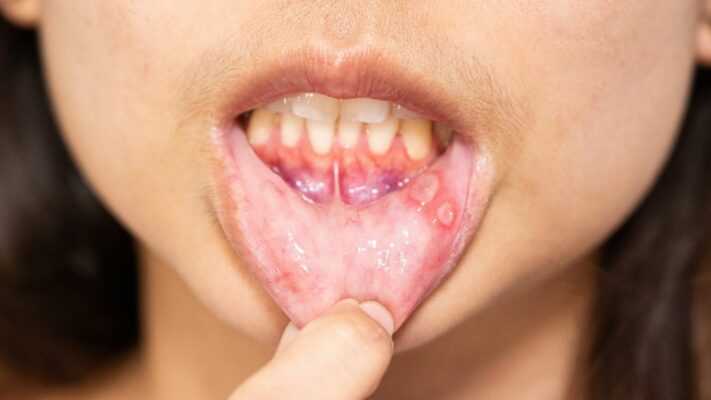
Dermatological diseases include a broad group of conditions affecting the skin, hair, and nails that develop due to infectious, autoimmune, or environmental factors. With early diagnosis and appropriate treatment, these diseases can be controlled and permanent skin damage can be prevented.
Acne, rosacea, and seborrheic dermatitis are chronic dermatological conditions that develop as a result of increased sebaceous gland activity and microbial imbalance. In the treatment of these diseases, topical medications, antibiotics, and supportive dermocosmetic products are used together.
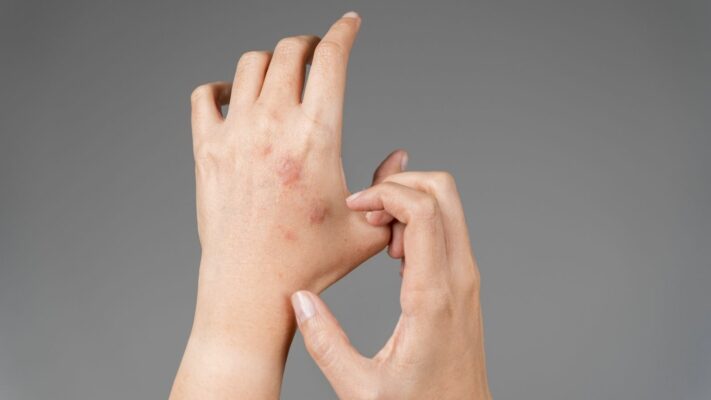
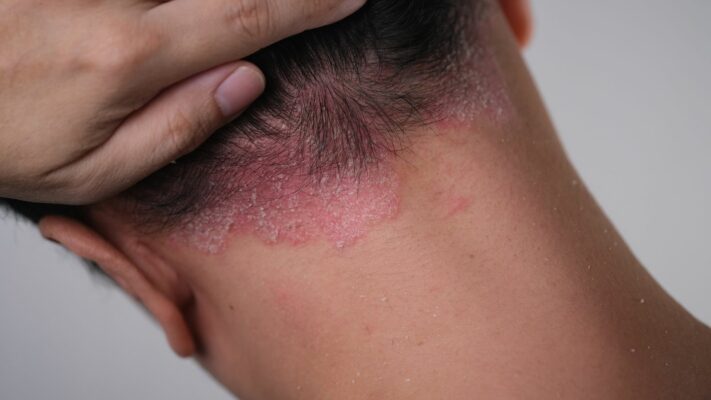
Inflammatory skin diseases such as eczema, psoriasis, and lichen planus occur due to an excessive response of the immune system. These diseases have a chronic course and require regular dermatological follow-up, moisturizing care, and immunomodulatory treatment.
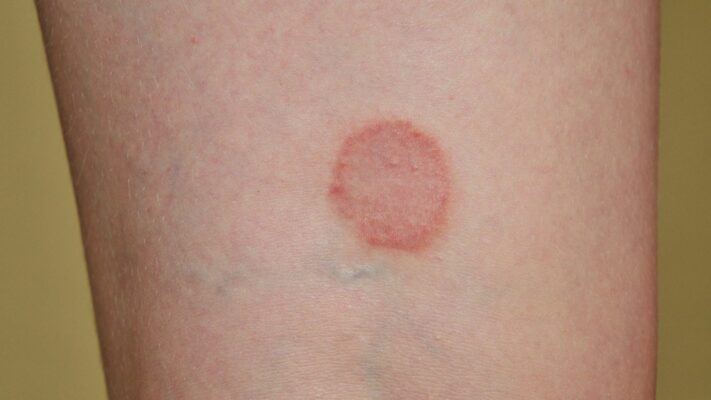
Fungal infections, viral warts, and bacterial skin infections belong to the group of contagious dermatological diseases. Diagnosis is made through microscopic examination and culture tests; treatment is performed with antifungal, antiviral, or antibacterial agents depending on the causative microorganism.